
100+ Best Blog Topics for Students in 2026 (Organized by Niche + Monetization Potential)
Blog topics for Students should be focus on topics such as time management, study tips, online earning and career advice. They can also write about tech reviews and mental health. These topics are popular because they allow students to share their direct experience, which is what Google looks for in its E-E-A.T framework. This guide will help you create a personal brand or earn money with Google AdSense and affiliate marketing. It can also be used to share your knowledge.
What is this guide for (and how to use it)?
This article is aimed at two different types of readers. Students who want to create their own blog but are unsure which niche to select, and writers that produce content for student audiences. This resource is useful for both groups because each topic is described in context. Not just a label but also reasons why it works, examples of post titles that you can use right away, and advice on whether the niche will be beginner-friendly, or more competitive.
Before you start, it’s important to note that blogging is best done as a hobby and not as a substitute for studying. Students who are most successful in building blogs treat it as a skill that they develop gradually – publishing one good post per week, while still keeping up with their academics. Balance, not hustle, is the key.
How to choose the right blog topic as a student
It is important to know the principles behind selecting a niche before you start brainstorming. Students who are successful bloggers do not choose the most popular topics. They pick what is at the intersection of what they know, what students are searching for and what can be monetized.
Here’s a four-step guide to choosing a student blog niche.
List your daily struggles. Use your notes app to write down the five things you’ve been frustrated with as a student this week. Exam stress? Uncertain which laptop to purchase? You’re trying to cook inexpensive meals in a hostel. These frustrations are unmet need for content, and blogs are built around unmet needs.
Step 2. Check the search demand. Type each problem into Ubersuggest or Google Keyword Planner. Search for topics that receive at least 1,000 searches per month and have a keyword difficulty below 40. A new blog should have a high volume and low competition.
Read the ten articles that are competing with yours. Google your topic and look at the top 10 results. What did each article miss? What is the question that has not been answered? This is the angle of your blog post.
Write your first draft based on your personal experience. You have a competitive advantage if you can draw from your experience as a college student. The 22-year old who writes about how to manage exam anxiety will always perform better than a content mill that assembles the same information using secondary sources. Google’s content guidelines reward content that is based on first-person experience.
100+ unique blog topics ideas for students

Example of a travelling blog: https://devilonwheels.com/
Category 1: Academic and Study-Related Blog Topics

Students around the world are constantly searching for study content. Each academic year, new students search for study tips, exam preparation techniques, and subject-specific assistance. This niche is perfect for students who excel academically and are willing to share their methods.
Study Techniques and Tips may be the most general entry point. You can discuss evidence-based methods of learning like the Pomodoro Technique and active recall. You can use these terms in educational psychology research that has been peer-reviewed, so you’ll be able to cite reliable sources and create genuine E-E.A.T. Titles of posts include: “How I Scored 92% without All-Night Study Session” or “The Recall Method – Why Re-reading Your Notes is a Waste of Time.”
Time management for Students is a solution to one of the most popular academic problems. Practical systems are needed by students who have to balance coursework, part-time work, family obligations, and social life. You can discuss time-blocking and the Eisenhower Matrix, adapted to student schedules. Or, you could write about how digital tools such as Notion or Google Calendar are used for academic planning. This topic is popular year-round and has low to medium competition.
Exam preparation and study anxiety addresses both the psychological and practical aspects of test-taking. Topics covered include creating a revision plan, managing exam anxiety, breathing techniques to reduce test-day stress, and analyzing past papers. This niche has a strong emotional resonance for readers, and the mental health angle is under-served.
Online Courses and E-Learning are a niche that is growing as a result of the global shift towards digital education. You can compare platforms such as Coursera and edX to Khan Academy and Udemy and their certifications, course quality and pricing. Students who search “is this course worthwhile?” Before spending money represents high-intent traffic with affiliate monetization opportunities.
Academic Writing and Assignment Skills includes information on essay writing, citation formats (APA, MLA and Chicago), the structure of a research paper and tools such as Grammarly and Turnitin. This niche is popular because academic writing, a skill that most students never receive formal instruction in, but are constantly evaluated on, is one that attracts a lot of traffic.
Related guide: advantages and disadvantages of blogging for students
what are blog examples?? here is an example of a study blog:
https://www.calnewport.com/blog/

Ready To use topic only for you: Not every student out there is good at time management, As along with studies, there are lots of burdens on students and poor time management can lead to unbalance in student life & that’s why time management is the most important skill that every student is eager to learn, starting on such a topic can help you to drive massive traffic on your blog.
You can share tips & tricks related to time management, about how students can manage their time and can become more productive and that habit can even help them in the future.
Below are 5 Blog topics for college students on which you can start writing immediately
- What is time management?
- Time management skills for students
- Student’s problems and solutions
- Time management study skills
- Students time management during pandemic
You can also watch my video on blog ideas for students
Category 2: Career, Earning, and Professional Development Topics
Saving money and further investing it in the right place is a great skill that every student will like to learn, AM’I right?? this is a unique idea that is talked about rarely on the internet, so starting ASAP on this topic can benefit you a lot.
Want to learn how to earn from Google web stories?? then click below on the image.

This category includes some of the most lucrative niches for student bloggers. Content about earning and career attracts readers who are looking for specific advice that will help them earn money or advance in their careers.
Earnings Online for Students has a massive demand year-round. The topics that are worth covering are how to get started freelancing as a student on Fiverr and Upwork, how you can earn money through YouTube or Instagram. You could also cover how to monetize your blog using Google AdSense or how to become an Amazon Associates Affiliate. Semrush data shows that “how to make money online for students'” is consistently among the most popular educational search queries on South Asian markets. Posts like “7 Realistic ways students in India can earn Rs5,000/month online” or “How did I earn my first Rs1,000 from blogging in 3 months?” are examples.
Remote Work and Freelancing Skills are a natural extension to the online earning niche. Students can monetize skills such as content writing, graphic design with Canva, video edit, social media management and web development. Posts that connect a skill to a potential earning opportunity are extremely successful because they satisfy both the informational and transactional intent of search.
Career Advice for Students includes everything from selecting the right college major, to preparing for placements on campus, understanding different career pathways, and creating a LinkedIn profile. This niche is particularly useful for students in their final year and those who are about to make graduation decisions.
Scholarships and Financial Aid Information has been a niche that is chronically underserved. Scholarship seekers are a highly motivated and valuable traffic source. You can include government scholarship, private foundation awards, merit-based awards and step-bystep application guides. Posts such as “Top 15 Scholarships for Indian Students Available in 2026” will attract organic traffic that is highly targeted and high-converting.
Personal Financial for Students – saving money, budgeting with a student’s stipend and understanding student loans as well as investing small amounts – is a topic of interest to students at all stages of their education. Personal finance basics are made more useful by connecting them to actual student scenarios.
You may have a question which topic is best for blog? we all are living in the digital era & why not talk about online earning that can add extra money to students’ pockets.
Related guide: 10+ Easy way to earn money online in India
You can also watch my web stories to learn visually, just click on the below image
Category 3: Lifestyle, Health, and Wellness Topics
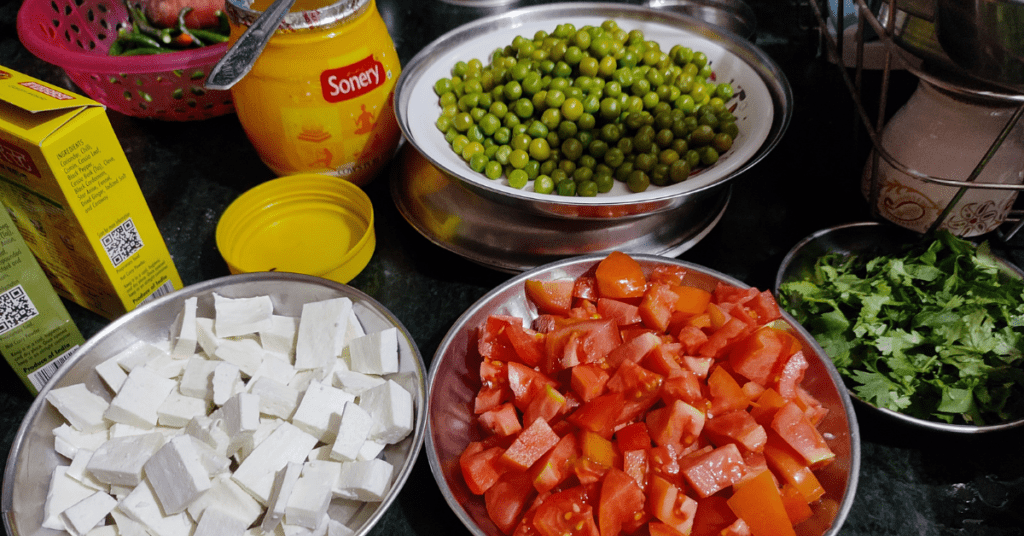
The situation that every student faces in their college life is not able to get hygienic food & creating a blog on such a topic can help lots of students who don’t know how to cook, AM’I Right??
As young people become more aware of mental health, fitness and balance, student wellness content is growing. This niche blends emotional resonance with practical advice.
Nutrition and Diet on a Student’s Budget is based on the reality that students are often limited in their cooking capabilities, budgets and nutritional knowledge. Simple, inexpensive, healthy meal suggestions — particularly those that can easily be prepared in a shared kitchen or hostel — are always sought after and have a high social sharing potential.
Stress Management and Mental Health are two of the most important topics that a student blogger should write about. Millions of students experience anxiety, depression, academic stress, loneliness and burnout, but these issues are rarely addressed online. Write from your experience, but be sure to mention professional help if you have serious concerns. This creates meaningful content. Topics include: how to manage overthinking in exam season, recognizing burnout, mental health apps, and building a daily wellness regimen.
Fitness for Students includes workouts that don’t require a gym membership. It also covers nutrition basics and ways to remain active even with a busy study schedule. It’s important to tailor this content to students. A 20-minute workout in the dorm is more valuable to your audience than an all-purpose fitness guide.
Mindfulness and Yoga for Students is a sub-niche of wellness with a growing demand. Topics such as beginner yoga sequences to relieve stress, meditation techniques for exams preparation, and breathing exercises for anxiety management appeal to readers who are time-constrained but health-conscious — which is a description that fits most students.
Lifestyle and Daily Productivity Tip includes morning routines and journaling, digital minimalism and habit-building. This is a wide but beginner-friendly area because you can use your daily life to document what works best for you.
Category 4: Technology and Digital Skills Topics
Students can make money with technology content. All of these niches are suited to affiliate marketing, including product reviews, software tutorials and buying guides.
Tech Reviews for Students — Laptops, Smartphones, Tablets, Earphones, Power Banks, and Study Gadgets — Attract Readers who Are Actively Researching Before Making a Purchase. Your content will earn affiliate commissions from programs such as Amazon Associates and Flipkart Affiliate. These readers are interested in making a purchase. A post example: “Best Laptops under Rs40,000 for students in 2026” (Tested, Compared).
AI Tools Reviews and Productivity Software Reviews will be one of the fastest growing content niches between 2025-2026. Students want to learn how to use tools such as ChatGPT and Notion AI for their academic and personal projects. Content that evaluates these tools honestly — what they excel at, where they fail, and for which purposes they are best suited — will fill a real information gap.
Coding for Beginners is a great resource for students who are looking to get into the tech industry. Students who are looking to develop career skills will always search for tutorials on HTML and CSS, Python basics, or JavaScript fundamentals. This niche is a natural fit with online learning platforms such as freeCodeCamp or The Odin Project.
Graphic design for students includes tools such as Adobe Express, Figma, Canva and . Students often need to design content for social media, presentations, or college projects. However, they lack formal training. These tutorials can be linked to free tools or paid courses.
Social Media Strategy & Growth are also popular topics among students, who wish to create personal brands, or better understand the algorithmic workings of platforms such as Instagram, YouTube and LinkedIn. Posts such as “How to Grow Your Instagram As a Student Creator by 2026” and “LinkedIn profile tips for final year students” are attractive to readers who have specific goals.
Categories 5: Culture, Entertainment and Creative Topics
Entertainment-adjacent content attracts high traffic volumes, particularly from younger audiences. Entertainment blogs are able to build large and loyal audiences very quickly, even though monetization may require more traffic than commercial niches.
Movies and Web Series Reviews remain popular. Students are the most avid consumers of streaming media on platforms such as Netflix, Amazon Prime and Disney+. Reviewing content that goes beyond plot summaries, analyzing themes and cinematography and cultural context, builds authority and helps you differentiate your site from other review sites.
Gaming content includes game reviews, gameplay guide, eSports, mobile gaming recommendations, and news about eSports. Gaming content is popular on social media and search engines, as students are a key gaming demographic. Topics like “Best Android Games for Semester Breaks”, “How to Start PC Gaming with a Student Budget” are examples.
Digital Entertainment, Podcasts and Music — playlists curated for study, podcasts recommended for students, music streaming platform reviews — are for students who listen to audio content while on the go, exercising or relaxing.
Blogs for Creative Writing, Storytelling, and Poetry are geared towards a different audience: students who have literary interests and want to share and develop their skills. A fiction or poetry site may have a smaller audience than a technology review site, but they allow for creative expression and can develop a niche readership.
Memes and Humor, as well as Student Life Commentary are content formats that work extremely well in social media. Content that is relatable and focuses on the absurdities of the student experience — horrible hostel food, impossible timelines, and the gap between exam questions and the syllabus — helps build community and organic shares.
Category 6: Social Issues, Environment, and Awareness Topics
Blogs that discuss social issues, environmental concerns and civic awareness, can help build a meaningful audience and contribute to important conversations.
Environmental Topics – pollution, renewable energies (solar and winds), climate change and recycling are all important topics that younger generations are increasingly searching for. This niche can be made more practical by writing about sustainable practices that students can adopt or more analytical by covering environmental policy and current research.
Global Issues & Current Affairs is a great resource for students who are interested in staying informed and engaging critically with global events. Blogs can be about the economy, geopolitics and social movements. It is important to maintain journalistic integrity — by presenting different perspectives, rather than just one opinion — as this builds trust among readers and improves the quality of content signals.
Mental health awareness and addiction are two topics that can help readers in need. Honest, empathetic writing is the best way to reach out. When writing about addiction, whether it’s substance abuse, gaming addiction, or social media addiction, you should be careful, cite credible health organizations and encourage your readers to seek professional help when necessary.
History and Culture Blogs allow students to explore academic interests in a public format. Researching and writing detailed profiles on historical figures, cultural movements or local and regional histories demonstrates a deep understanding of research and builds authority content that will age well in search engine results.
Category 7: Travel, Food, and Hobby Topics
Budget travel for students is one of the most sought-after lifestyle niches, because it’s a universal experience that many students have: the desire to travel but the inability to pay the price. Practical guides, such as how to get cheap flight or train tickets, where to find affordable accommodations, and how to plan a vacation on Rs5,000, serve specific needs.
Cooking On A Student Budget has a huge evergreen appeal. Search traffic is consistently attracted to simple, inexpensive recipes for students who have minimal kitchen equipment. This niche can be approached with humor and personality, highlighting your own cooking failures and successes.
Arts, Crafts, and Hobbies — photography, pottery, origami, and embroidery — are niche interests that often align well with product affiliate opportunities.
Category 8: Education-Adjacent and Informational Topics
Book Reviews are a great way to reach the large student population who read for fun or to improve themselves. Students who are researching whether or not a book is worth reading will be attracted to well-written reviews that include a critical analysis. This niche pairs well with affiliate links for booksellers.
Language Learn Tips is a great tool for students who are studying a language to meet academic or career requirements or travel. The information provided by these tips, including vocabulary building techniques, grammar resources, language-exchange apps, and immersion methods, is much needed.
Government schemes and scholarships are a high-value niche among Indian students. Many students who are eligible do not know about schemes such as the National Scholarship Portal or PM YASASVI. Guides that are well researched and provide clear information on the eligibility and application process will be of great value to the public and will attract search traffic with high intent.
Write what you know-
The Simplest way to start a blog is to write what you know, Yes! You can start a blog on a topic in which you have good knowledge.
You can share your own knowledge & expertise on your blog which can help lots of students to learn new things & skills.
Examples are cooking blogs, motivational blogs, personal blogs, gaming blogs, reviews blogs, informational blogs, educational blogs, history blogs, fashion blogs, lifestyle blogs, travelling blogs, image blogs, fitness blogs, etc.
Want to know the best topic for affiliate marketing in 2023?? click on the below image
How do I find blog ideas?
If you don’t have enough knowledge about the above topics then don’t worry because you can first gain knowledge by reading various articles, watching videos, reading books related to specific topics & further can share content in your own unique voice.
Now it’s time to share with you my OMTSI technique, are you ready?? Ok, let’s talk about it.
OMTSI- stands for open your mind> think> search> implement.
Just look at your surroundings what are the problems students are facing & how you can solve them by producing your own unique content in your own voice, just think about it.
What students are searching more on Google & sorting it out, Create unique content around it.
You can Make use of free keyword research tools like Ubersuggest, Ahref to find search volume & competition of the topic.
how can I create a blog??
How to Start Your Student Blog (Quick Setup Guide)
Once you have chosen your niche, the platform question comes next. WordPress.org (self-hosted) is the most recommended choice for serious bloggers because it gives you full ownership of your content, access to thousands of plugins for SEO and design, and the ability to monetize through any method you choose. A basic WordPress setup requires purchasing a domain name (approximately ₹500–₹800 per year) and hosting (approximately ₹1,500–₹3,000 per year through providers like Hostinger or Bluehost). For those who genuinely cannot invest initially, WordPress.com’s free tier or Blogger.com offer starting points, though with significant limitations on customization and monetization.
For SEO, install Rank Math or Yoast SEO as your first plugin. Connect your site to Google Search Console within the first week of publishing. Write your first five posts before worrying about design or social media — content is the foundation everything else is built on.
I Don’t recommend free blogging platforms due to their lack of support & very less functionality, starting with WordPress will help you to make your personal brand and unique identity on the internet & even you can earn a good source of income for a long time without losing your mind.
here is how you can start Straightway>> how to start a blog
Final thought-
Starting a blog as a student will not only help you to share your unique voice with others but also will help lots of other students & I hope after reading this article you have got clear ideas on what you should blog about.
Conclusion: Your blog idea is closer than you think
You will find the right topic in your everyday life. After three semesters, you finally found a study method that worked. You figured out a recipe when the food in the hostel became unbearable. You found a scholarship that no one else knew about. Budgeting is what made your allowance last an extra week.
This guide is not intended to overwhelm you. It’s meant to show you that you already have a following. You can help students who are searching Google right now for the type of assistance you provide.
Start by choosing a niche, a post and a question that you can clearly answer based on your experience. It’s time to publish it. Next, improve the one before. Repeat. It is important to remember that blogging is not an event. It is a skill you develop over time. Each post will make the next better. The best time to begin was last year. Today is the second-best time.
If you have any questions related to blog topics for students then feel free to ask me in the comment box, See you again in another blog post & don’t forget to share this article with your friends if you found it helpful.
FAQ:
what is blog post for students?
blog post means writing an article about a particular topic and publishing it in the form of text on own blog.
which blog topics are most popular?
health, entertainment, sports, and traveling are some popular niches
what should i blog about in 2026?
there are plenty of topics on which you can start your blog, niches like earn money online, life styles tips, affiliate marketing are hot trending.
how do i find blog topics?
there are various keywords research tools that you can use to find topics for your new article.
What is the best topic for a student blog?
In 2026, the best blog topics will be study tips, academic skills, time-management strategies, online earning techniques, personal finance basics and tech product reviews. Career guidance, mental awareness and fitness content are also popular. These niches are popular because students know them well and they have a constant, year-round demand for information.
How can a student make money by blogging?
Students can earn money through blogging in several ways: Google AdSense, affiliate marketing programs such as Amazon Associates, sponsored blog posts by brands, and digital products, like templates, e-books, notes, etc. The majority of student bloggers start earning money within six to twelve months after consistently publishing.
As a student blogger, how many posts should I write?
A student blogger can maintain a publishing schedule that is sustainable and effective by writing one well-researched post each week. In search engine results, quality consistently beats quantity. Five 300-word posts that don’t answer the question of a reader will always outperform a 1,500-word article.
Which is the best blog topic for a student to start?
What you know best is the easiest topic for a blog. Students who study engineering and write about programming concepts, students who cook and document budget recipes, and students who play games and review mobile apps, can all begin writing right away from their personal experience. You can start with your existing knowledge.
What blog niche is the most profitable for students?
Student bloggers are most likely to make money from niches such as personal finance, career advice, tech reviews and online earnings. This is because these topics attract readers who have a commercial intention — those making active financial decisions. Any niche can be made profitable with enough traffic and the right sponsorship or affiliate partnerships.
Am I required to have technical knowledge in order to create a blog?
Blogger or WordPress.com do not require any technical knowledge to create a blog. It takes 30-60 minutes to set up a WordPress.org self-hosted site. Writing and content strategy skills are more important than technical knowledge when it comes to building a successful blogging site.
What are some good blog topics for students?
It is best to write down your daily questions and problems, then use free tools such as Ubersuggest or Google’s “People Also Ask” feature to see if other students have the same question. Blog topics that frustrate, confuse, or are ones that you have learned the hard way can be excellent.
Should I blog on one topic or several topics?
It is highly recommended that new bloggers start with a niche. A blog that covers a specific topic consistently builds authority in the niche faster, is ranked higher in search results and easier to monetize. Once you’ve established authority in a niche, you can expand your blog into related topics.
What is the average time it takes to drive traffic to a blog for students?
Assuming consistent posting and basic SEO techniques, most new blogs start seeing significant organic search traffic three to six months after their first post. This timeline assumes that you publish at least one blog post per week and optimize each post to a specific keyword. You also build some backlinks by guest posting or sharing on social media.
What does E-E.A.T stand for and why is it important to student bloggers?
E-E-A.T. stands for Experience Expertise Authoritativeness and Trustworthiness – a framework Google uses when evaluating content quality. The “Experience”, component is especially valuable for student bloggers: writing directly from personal experience as students gives your content an authority that generalists content farms cannot duplicate. Be specific when describing your own perspective and experience.
I am a student, can I blog anonymously?
You can blog anonymously by using a blog persona or pen name. Many successful blogs don’t use the author’s real name. Attaching your real identity to your blog (even if it’s just a photo and first name) will improve trust signals and reader engagement. A first name is an acceptable compromise if privacy is of concern.
What are some topics that students should avoid when blogging?
It is best to steer clear of topics that students have little or no experience in, because this will result in thin and untrustworthy content. It is difficult for new bloggers without significant resources to enter highly competitive commercial niches such as mainstream technology or general personal finance. Topics that are highly regulated, such as medical diagnosis or legal advise, also come with a lot of responsibility. Most student bloggers do not have the skills to deal with these topics.
How can I create my first blog?
Start by posing a question that your readership is asking. Create a headline with the keywords they’d use to search. Start with a one-sentence direct answer to the query. Explain your answer using research and personal experience. Then, close with a next practical step that the reader can do. Include at least 800-1,500 words with an original image or illustration.
Does blogging still make sense in 2026?
Yes, blogging is still a good investment for 2026. The landscape has become more competitive, but AI-generated content is creating a paradox. There is now more generic, low-quality content on the internet than ever before. This means that high-quality content, based on experience, stands out more clearly. Google’s helpful updates to its content actively reward writing that is based on experience — just what a student blog can provide.
What tools are available for student bloggers?
For a student blogger just starting out, the most useful tools are: Google Search Console to track your search performance, Ubersuggest (keyword research), Canva for creating blog graphics and images, Grammarly (proofreading), Google Analytics (understanding who your audience is). These five free tools will cover all the basic needs for a new blog.


![Namecheap Black Friday Deal 2022 | 97% off [Live Now]](https://jitenbloggingtips.com/wp-content/uploads/2021/11/namecheap-black-friday-sale-2021-768x402.png "Namecheap Black Friday Deal 2022 | 97% off [Live Now] 8")




Helllo jiten,
The Blog topic you shared for the students is awesome, in a single post you have mentioned all the topics and I am rely very happy that you are providing knowledge to everyone.
This list of blog topics is a treasure trove for students like me! I love how diverse the suggestions are, and I can’t wait to explore some of these ideas for my own blog. Thank you for the inspiration!
This list is fantastic! I can already see so many topics that would spark great discussions in my classes. Thanks for the inspiration!
This list of blog topics is fantastic! I love how diverse the suggestions are, covering everything from study tips to personal experiences. It really sparks my creativity and gives me a lot to think about for my own blog. Thanks for sharing such a valuable resource!
This list of blog topics is amazing! I love how diverse the ideas are—it really sparks inspiration for my own writing. I can’t wait to try out some of these concepts for my next post. Thank you for sharing!
This list of blog topics is incredibly helpful! As a student, I often struggle to find unique angles to explore in my writing. You’ve inspired me with so many great ideas—particularly the ones about mental health and the impact of technology on education. Can’t wait to get started on my next post!
This list is absolutely incredible! I can’t believe how many unique topics you’ve provided. I’m feeling inspired and can’t wait to dive into these throughout the semester. Thank you for the fantastic resource!
I absolutely loved this list! These unique blog topics are a goldmine for students looking to express their creativity and dive deeper into their interests. I can’t wait to try some of these out for my own blog. Thank you for the inspiration!
Wow, this list of 100+ unique blog topics is incredibly helpful! I’ve been struggling to find inspiration for my own blog, and these ideas are just what I needed. I can’t wait to start writing! Thank you for sharing!